Blocked Drain in Luz, São Paulo? Here’s How to Prepare Before the Desentupidora Arrives
The short answer: before a desentupidora em Luz São Paulo SP arrives, you need to stop using the affected drains, clear access to the cleanout or inspection box, move fragile items away from the work area, and note what you have already tried. This prevents a small blockage from turning into a flooded kitchen or a backed-up bathroom, and it helps the technician choose the right equipment faster. In Luz, a central neighborhood of São Paulo with a mix of old residential buildings and busy commercial streets, preparation also means thinking about parking, building access, and the fact that many pipes are shared with neighbors.
As a community moderator, I see the same questions come up again and again in local groups and building chats. This article answers them in the order people usually ask them, so you can act instead of guessing.
What counts as an emergency before the team arrives?
Not every slow drain is an emergency, but some signs mean you should stop waiting. If water is rising in a floor drain after you use a sink, if sewage is backing up into a shower or toilet, or if you smell gas-like odors from the drain, treat it as urgent. In these cases, keep everyone away from the area and avoid flushing or running water until help arrives.
A single slow sink in a kitchen is usually a local blockage. Water rising in multiple fixtures at once often points to a problem in the main line or the building’s shared sewage network. That distinction matters because it changes who you call and how the job is prepared.
Signs that should not wait
- Sewage backing up into showers, toilets, or floor drains.
- Water rising in one fixture when you use another.
- Strong, persistent odors coming from drains.
- Gurgling sounds in drains after flushing or washing.
Stop using all water fixtures connected to the blocked line until the technician confirms which pipe is affected. This single step prevents the most common cause of indoor flooding during a service call.
How should you prepare the space and access?
The technician needs a clear path to the cleanout, inspection box, or the point where the equipment will enter the pipe. In Luz, many buildings have internal courtyards, narrow service corridors, or basement areas where the cleanout is located. Clear these areas before the team arrives, and move boxes, furniture, or stored items away from the access point.
If you live in a condominium, tell the building manager or doorman that a desentupidora Luz team is coming. This helps with gate access, elevator use for equipment, and parking for the service vehicle. In busy streets, parking can be the difference between a quick arrival and a long delay.
A simple preparation checklist
- Stop using the affected drains and fixtures.
- Clear access to the cleanout, inspection box, and any basement or service area.
- Move fragile items, rugs, and electronics away from the work zone.
- Note what you have already tried, such as plunging or chemical products.
- Inform neighbors or the building manager if the blockage may affect shared lines.
Never pour chemical drain cleaners into a fully blocked pipe and then leave it sitting. If the pipe is completely clogged, the product stays in place, can damage older pipes, and creates a hazard for the technician who opens the line later.
What information should you have ready when you call?
When you contact a desentupidora Luz São Paulo SP, the more precise your description, the faster the team can prepare. Tell them which fixtures are affected, whether the problem is in a house or a building, and whether there is a cleanout or inspection box accessible. Mention if there is a history of repeated blockages in the same spot, because that often points to a deeper issue such as root intrusion, grease buildup, or a collapsed section of pipe.
Also mention the floor level and whether the property has a basement or underground garage. In older buildings around Luz, basement drains and shared sewage lines are common, and the equipment needed for these areas may differ from what is used on an upper-floor bathroom.
Questions the team will likely ask
- Is water backing up in more than one fixture?
- Is there a cleanout or inspection box, and where is it?
- Has this happened before, and how was it resolved?
- Are there children, pets, or elderly residents in the home?
Having these answers ready saves time on the phone and helps the team bring the right tools, from a manual snake to a hydrojetting machine.
What should you expect during and after the service?
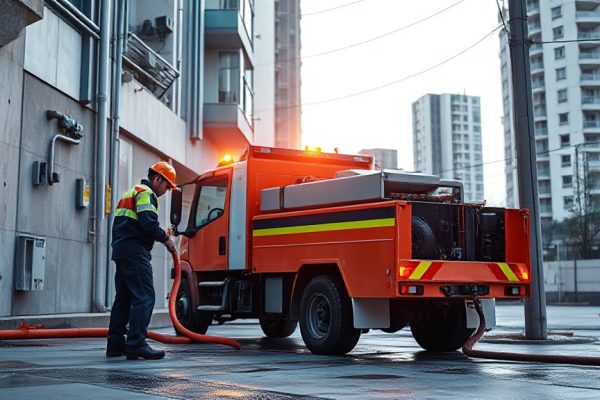
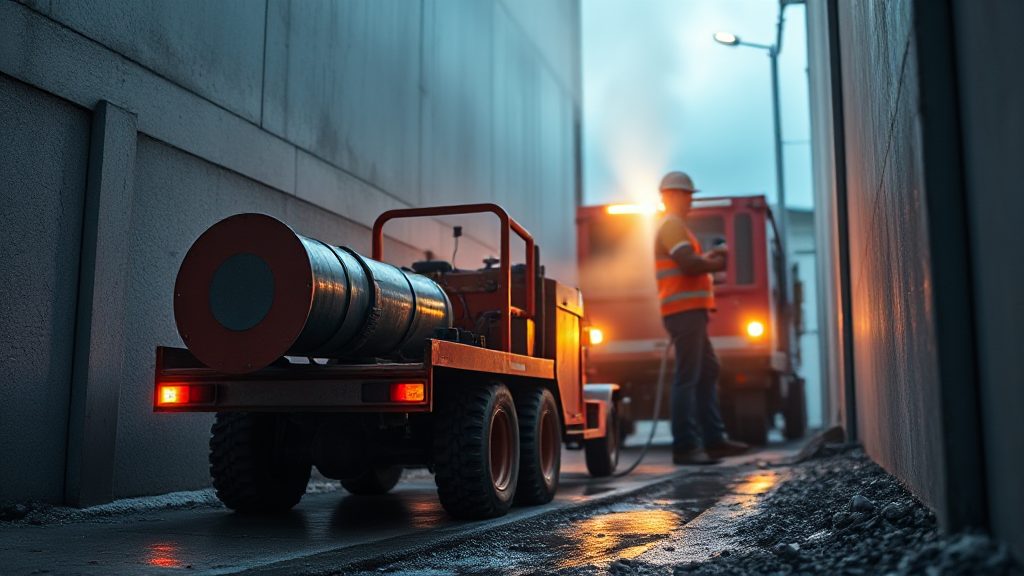
During the service, keep children and pets away from the work area. The technician may need to open the cleanout, use a machine that produces noise and splashing, or run a hose for hydrojetting. Ask before the work starts whether the floor or surrounding area needs protection, and confirm whether the technician will clean up afterward.
After the blockage is cleared, test the affected fixtures with the technician present. Run water and flush toilets to confirm the line is flowing. If the problem was in a shared building line, ask the building manager to document what was done, because repeated blockages in the same section may require a preventive maintenance plan rather than repeated emergency calls.
Ask for a brief explanation of the cause before the team leaves. Knowing whether the blockage was grease, paper, roots, or a structural issue helps you avoid the same problem and decide whether preventive cleaning is worth scheduling.
Frequently asked questions
Can I use the toilet or sink while waiting for the desentupidora?
If the blockage is in a shared line or water is backing up, avoid using all fixtures connected to that line. For a single slow sink, you can use other drains, but stop immediately if you notice gurgling or rising water elsewhere.
Do I need to be home during the service?
Yes, unless a building manager or responsible person can provide access and stay during the work. The technician may need to ask questions, test fixtures, and confirm the result with someone on site.
What if the blockage is in the building’s shared line?
Contact the building manager first. Shared lines often require coordination between units, and the technician may need access to common areas such as basements, courtyards, or inspection boxes outside your apartment.
Should I try chemical products before calling?
Avoid chemical cleaners in fully blocked pipes. They can damage older plumbing and create a safety risk. Mechanical methods such as plunging are safer for a simple local clog, but if water does not drain, stop and call a professional.