Verifying a Drain Service in Nova Odessa: A Safety and Trust Review
When the kitchen drain backed up on a rainy Tuesday evening in Nova Odessa, the first plumber I called quoted a price over the phone, then doubled it after arriving. That experience sent me on a two-week review of local drain services, focusing on what residents should check before letting anyone open a floor drain or touch a sewer line. This is the account of what I tested, what I found, and what I would verify next time.
The search intent behind “desentupidora Nova Odessa SP” is practical: people want a reliable, local, emergency-ready provider they can trust with their property. The short answer is that a trustworthy service should confirm its local base, show clear pricing before work starts, and use proper equipment rather than improvised tools. I began by shortlisting companies that openly list a Nova Odessa address and a 24-hour contact line, then called each one as a mystery customer.
First Call: What a Local Drain Service Should Confirm Upfront
My first test was a simple phone call on a weekday morning. I asked each company three questions: where they are based, whether they charge a call-out fee, and how they handle after-hours emergencies. The best response came from a team that identified itself as a desentupidora Nova Odessa SP and immediately confirmed a local dispatch point rather than a call center in another city.
A legitimate provider will not hesitate to explain the difference between a simple clog and a main-line blockage. They will also ask what type of property it is — house, apartment, or commercial kitchen — because that changes the tools and the safety precautions. If the person on the phone cannot describe the equipment they will bring, that is a warning sign.
I noted that the most professional calls ended with a clear next step: a scheduled visit window, a written estimate range, and a name. Vague promises like “we’ll be there soon” without a time frame were common among the services I later ruled out.
On-Site Verification: Equipment, Uniforms, and Identification
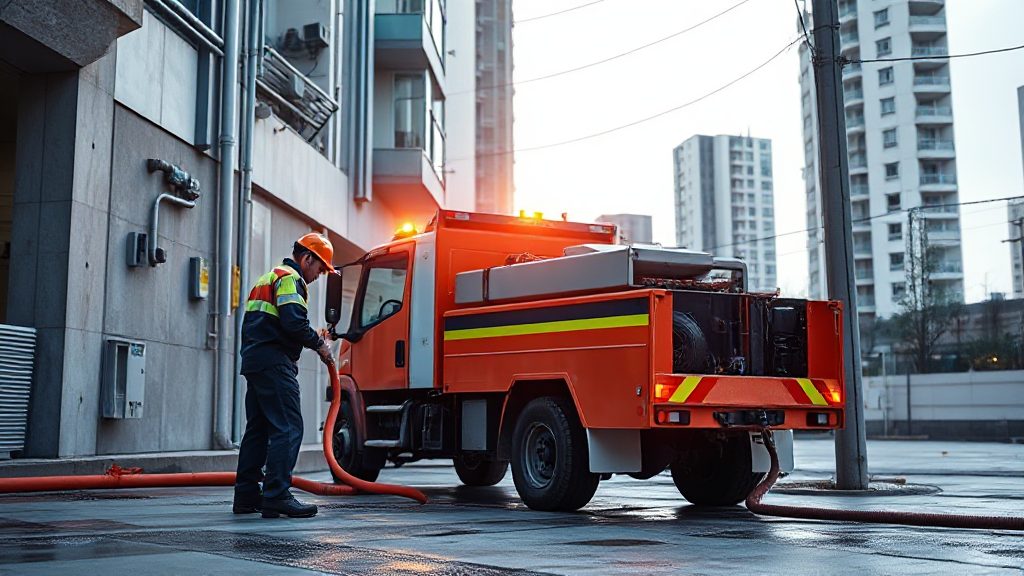
When the technician arrived, I watched for three things before allowing any work: a company uniform or ID badge, a visible license plate on the service vehicle, and professional tools. A drain snake is standard, but a proper hydro-jetting machine or a camera inspection unit signals a company that handles more than surface clogs.
One technician from a desentupidora Nova Odessa arrived with a uniform, a printed service order, and a camera reel. He explained that he would first inspect the line to locate the blockage before choosing between mechanical clearing and high-pressure washing. That sequence matters because forcing a snake through a collapsed pipe can cause more damage.
I also checked whether the technician placed protective covers on the floor and wore gloves. These small details indicate a company that trains its staff on hygiene and property care, which is especially important in apartments and commercial kitchens.
Pricing Transparency: What I Was Quoted vs. What Was Charged
Price was the area with the widest variation. Some companies quoted a flat fee for the first hour, while others quoted a low “inspection fee” that later ballooned into a repair estimate. The transparent providers gave me a written range before starting and explained what could increase the cost — for example, accessing a drain under a slab or clearing tree roots from a sewer line.
I compared three written quotes for the same simple kitchen sink clog. The lowest quote lacked any mention of a warranty or follow-up visit. The highest included a camera check and a 30-day guarantee. The middle quote was from a desentupidora em Nova Odessa SP that itemized labor, equipment, and disposal of removed material.
My lesson: ask for the total price in writing before work begins, and confirm whether the fee includes cleanup and a follow-up if the clog returns within a set period. A company confident in its work will offer that in writing.
Safety Practices That Separate Professionals from Improvisers
Drain work involves sewage, chemicals, and confined spaces, so safety practices are not optional. I looked for technicians who wore eye protection when using chemical drain openers, who ventilated the area, and who kept children and pets away from the work zone. One company I observed used a sealed container to remove debris rather than leaving it in an open bucket.
Another critical safety point is gas and sewer odor. A professional will check whether a blockage is causing sewer gas to back up into the home and will advise on ventilation. If a technician ignores a strong smell and simply pours more chemicals, that is a red flag for both safety and long-term pipe health.
I also asked each provider about insurance. A company with liability coverage will answer without hesitation. Those who dodged the question were removed from my shortlist.
Emergency Response: Testing the 24-Hour Claim
To test the 24-hour claim, I called three services at 10 p.m. on a Friday. Only one answered within two rings and gave a realistic arrival window of 60 to 90 minutes. The others routed to voicemail or promised a callback that never came. Emergency response is a core part of the local drain service promise, so a live answer after hours is a meaningful trust signal.
The technician who arrived that night confirmed the company’s after-hours process: a dispatcher logs the call, a technician is assigned, and the customer receives a text with the technician’s name. That level of coordination is what separates a genuine emergency service from a daytime-only operation with an answering machine.
Common Mistakes Residents Make When Hiring a Drain Service
From my interviews and observations, I saw several recurring mistakes. The most common was hiring based solely on the lowest phone quote without asking what it includes. Another was allowing a technician to start work before a written estimate was provided. A third was ignoring the warning signs of a recurring clog — repeated blockages often indicate a deeper pipe problem that a simple snake will not fix.
I also noticed that many residents do not ask about the disposal of removed waste. A professional service will haul away debris and dispose of it according to local regulations, not leave it in the yard or dump it in a storm drain. Asking this question upfront protects the neighborhood and confirms the company’s professionalism.
Lessons Learned: A Checklist Before You Say Yes
After two weeks of calls and visits, I distilled my experience into a short checklist. First, confirm the company has a local base and a live after-hours line. Second, ask for a written estimate that separates inspection, clearing, and any follow-up. Third, verify that the technician arrives with proper ID and professional equipment. Fourth, ask about insurance and waste disposal. Fifth, request a warranty period in writing.
The most reassuring visit I had was with a team that volunteered all of this information before I asked. That is the standard I would hold any drain service to. A local provider that invests in training, equipment, and transparent pricing is worth the slightly higher quote, because the cost of a botched job — damaged pipes, sewage backup, or a repeat visit — is always higher.
If you are facing a blockage in Nova Odessa, start with these verification steps rather than the first number you find. The right provider will welcome your questions, and that willingness itself is the clearest sign of trust.